
Mahashivratri: Celebrating the Night of Lord Shiva
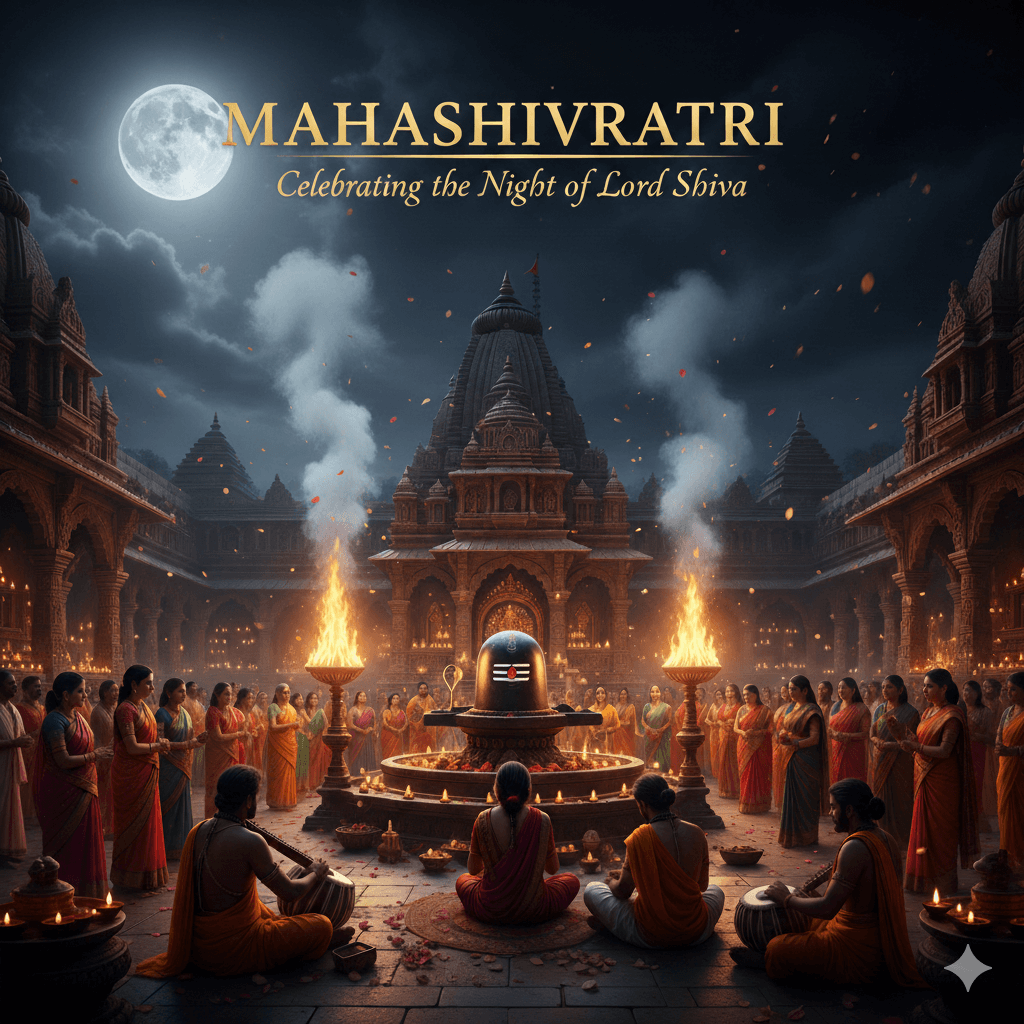
Mahashivratri: Celebrating the Night of Lord Shiva
Mahashivratri, a revered Hindu festival, is celebrated with great fervor across India and worldwide. This auspicious night honors Lord Shiva, the supreme god of destruction and transformation, and is considered a powerful occasion for spiritual growth and self-reflection.
The Significance of Mahashivratri
Mahashivratri, which falls on the 13th or 14th night of the dark fortnight in the month of Phalguna (February-March), holds immense spiritual significance:
– Lord Shiva’s Cosmic Dance: Commemorates the night when Shiva performs the cosmic dance, symbolizing the cycle of creation and destruction.
– Marriage of Shiva and Shakti: Celebrates the divine union of Shiva and Parvati, representing the harmony of masculine and feminine energies.
– Overcoming Darkness: Marks the victory of light over darkness, symbolizing spiritual awakening and self-realization.
Rituals and Traditions
Devotees observe Mahashivratri with various rituals and practices:
– Fasting and Meditation: Many fast, meditate, and chant mantras to connect with Shiva’s energy.
– Shiva Lingam Worship: Offerings of milk, water, and bilva leaves are made to the Shiva Lingam, symbolizing purification and devotion.
– Night Vigil: Devotees stay awake, engaging in spiritual practices, singing, and dancing to honor Lord Shiva.
Why Mahashivratri Matters
Mahashivratri:
– Spiritual Growth: Offers opportunities for self-reflection, introspection, and spiritual growth.
– Divine Blessings: Believed to bring blessings, prosperity, and protection from Lord Shiva.
– Cultural Significance: Celebrated with grandeur, showcasing India’s rich cultural heritage.
Leave a Reply
You must be logged in to post a comment.