
International Epilepsy Day: Breaking Stigma, Raising Awareness
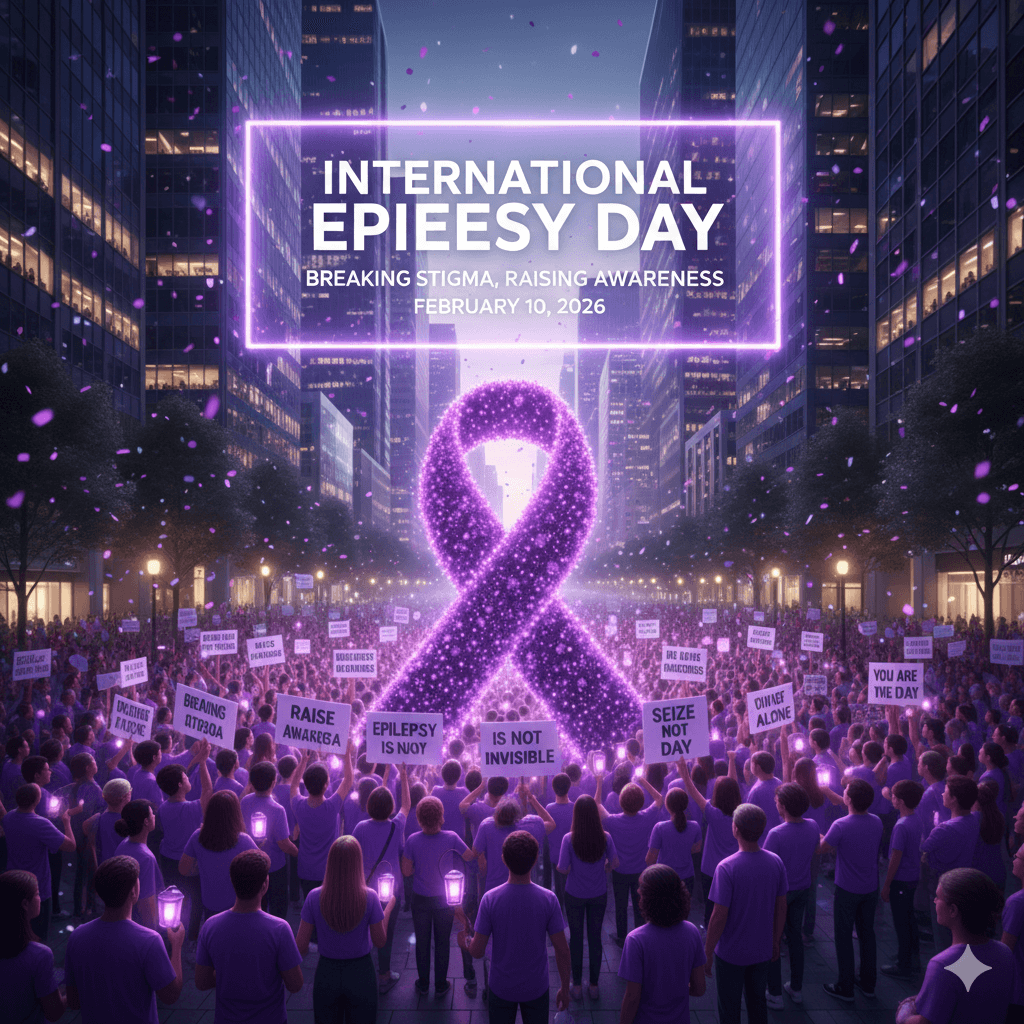
International Epilepsy Day: Breaking Stigma, Raising Awareness
February 13 marks International Epilepsy Day, a global initiative to raise awareness about epilepsy, a neurological disorder affecting millions worldwide. Established by the International Bureau for Epilepsy (IBE) and the International League Against Epilepsy (ILAE), this day aims to dispel myths, promote understanding, and support those living with epilepsy.
Understanding Epilepsy
Epilepsy is a chronic neurological condition characterized by recurrent seizures, caused by abnormal brain activity. It can affect anyone, regardless of age, gender, or background. Common causes include:
– Genetics: Family history and genetic mutations.
– Head Injuries: Traumatic brain injuries.
– Infections: Meningitis, encephalitis, and other infections.
Breaking Stigma and Misconceptions
Epilepsy is often shrouded in stigma, leading to social isolation and marginalization. Common misconceptions include:
– Epilepsy is Contagious: It is not infectious.
– Epilepsy is a Mental Illness: It is a neurological condition, not a mental disorder.
– Seizures are Always Convulsive: Not all seizures involve convulsions.
International Epilepsy Day Initiatives
– Awareness Campaigns: Global events, social media campaigns, and community activities raise awareness.
– Support Networks: Connecting people with epilepsy, caregivers, and healthcare professionals.
– Advocacy: Promoting policy changes and improved access to treatment.
Why International Epilepsy Day Matters
International Epilepsy Day:
– Raises Awareness: Educating people about epilepsy and reducing stigma.
– Supports Those Affected: Providing resources and support for individuals and families.
– Promotes Inclusion: Encouraging inclusivity and accessibility for people with epilepsy.
Leave a Reply
You must be logged in to post a comment.